Material Category
Carbon, Alloy & Tool Steels
Carbon steels (1018, 1045, A36) are the budget workhorses for shafts, fixtures and weldments — plan on plating or coating for corrosion. Alloy steels (4140, 4340) add through-hardening strength for high-load shafts and tooling. Tool steels (D2, A2, O1) buy wear resistance at 57+ HRC; machine soft, harden, then grind or EDM the critical features.
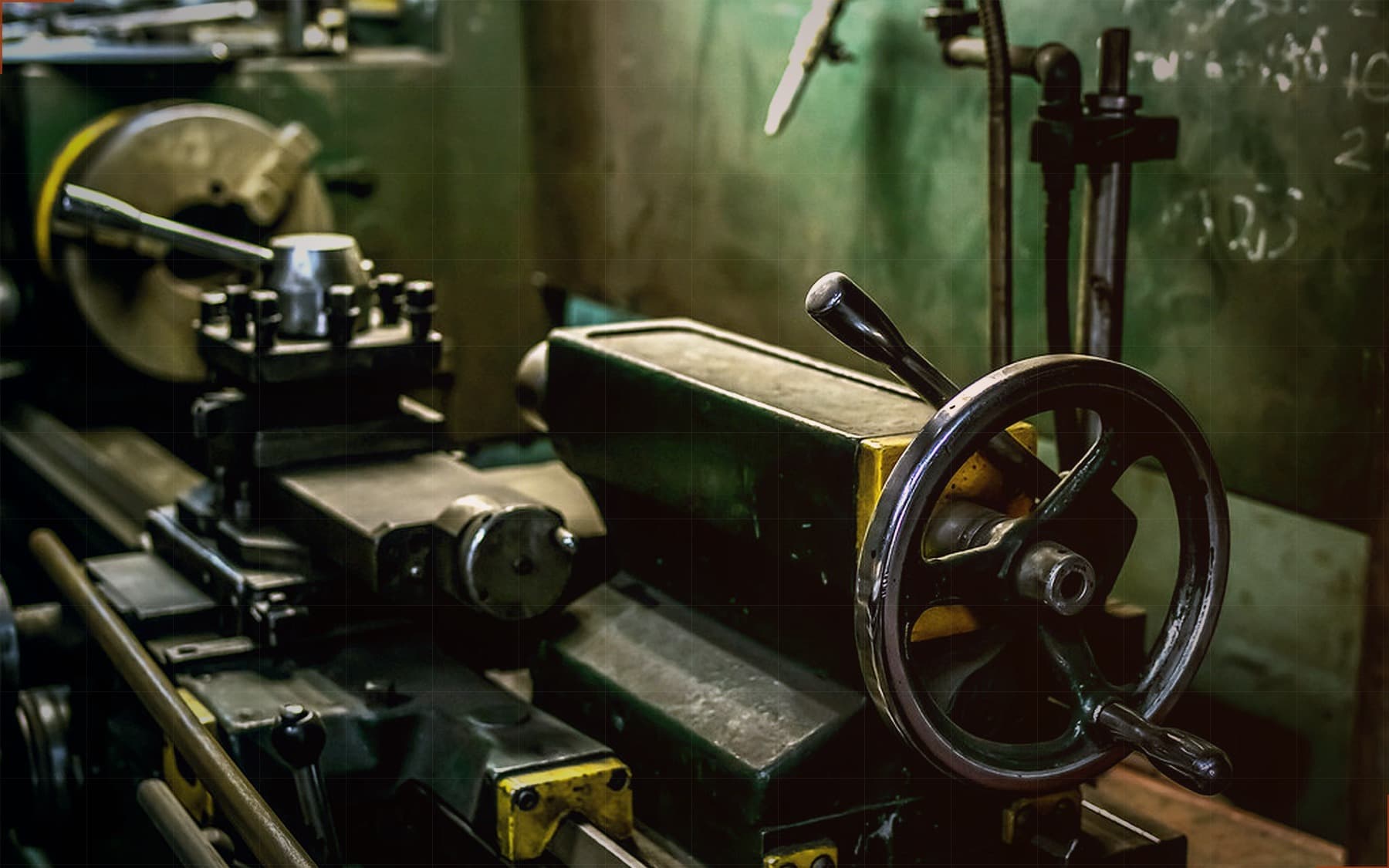
Carbon Steel
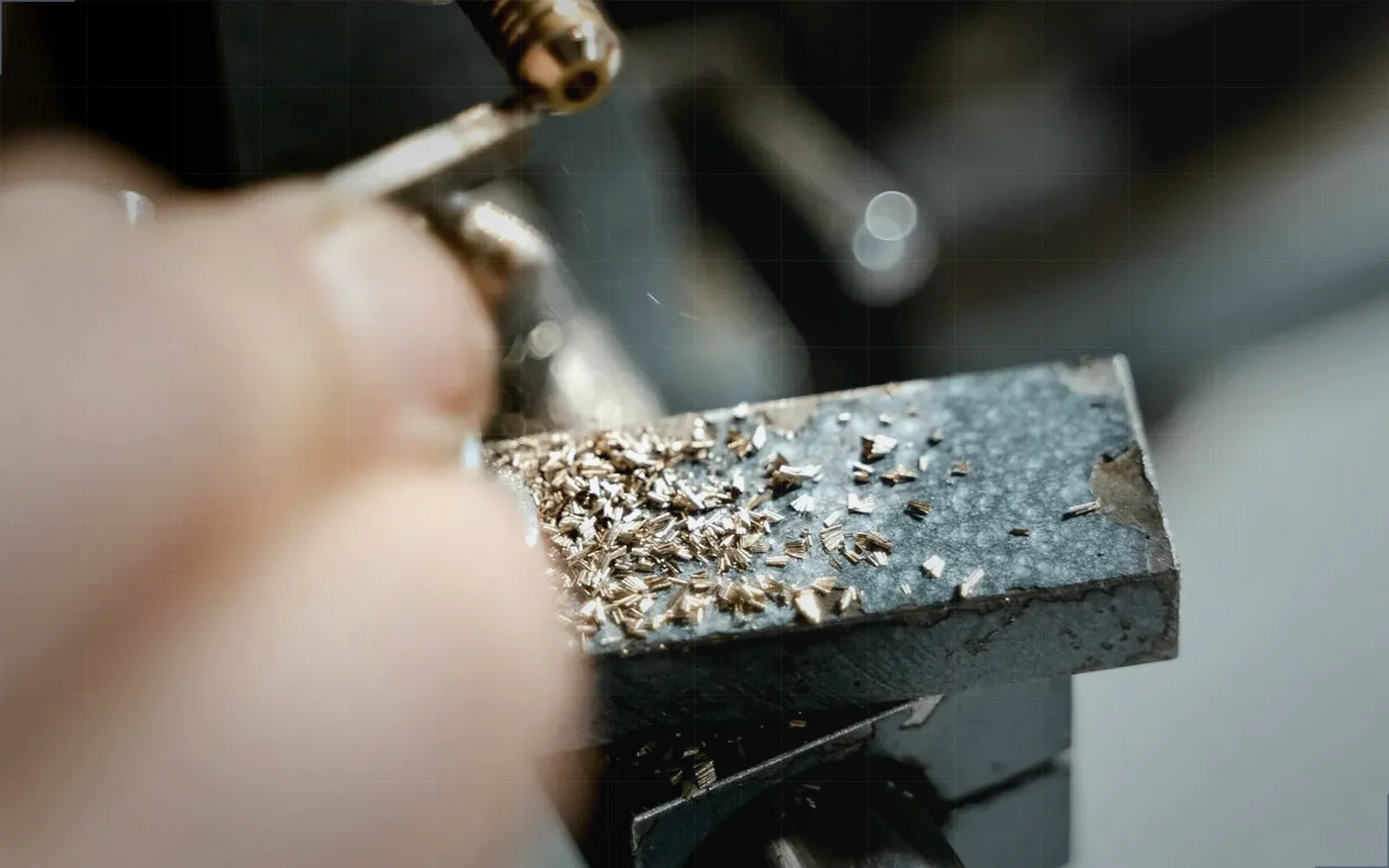
Low-Carbon Steel 1018
$The friendly mild steel: welds beautifully, case-hardens to a glassy skin, costs less than anything.
440 MPa (cold drawn) · 126 HB
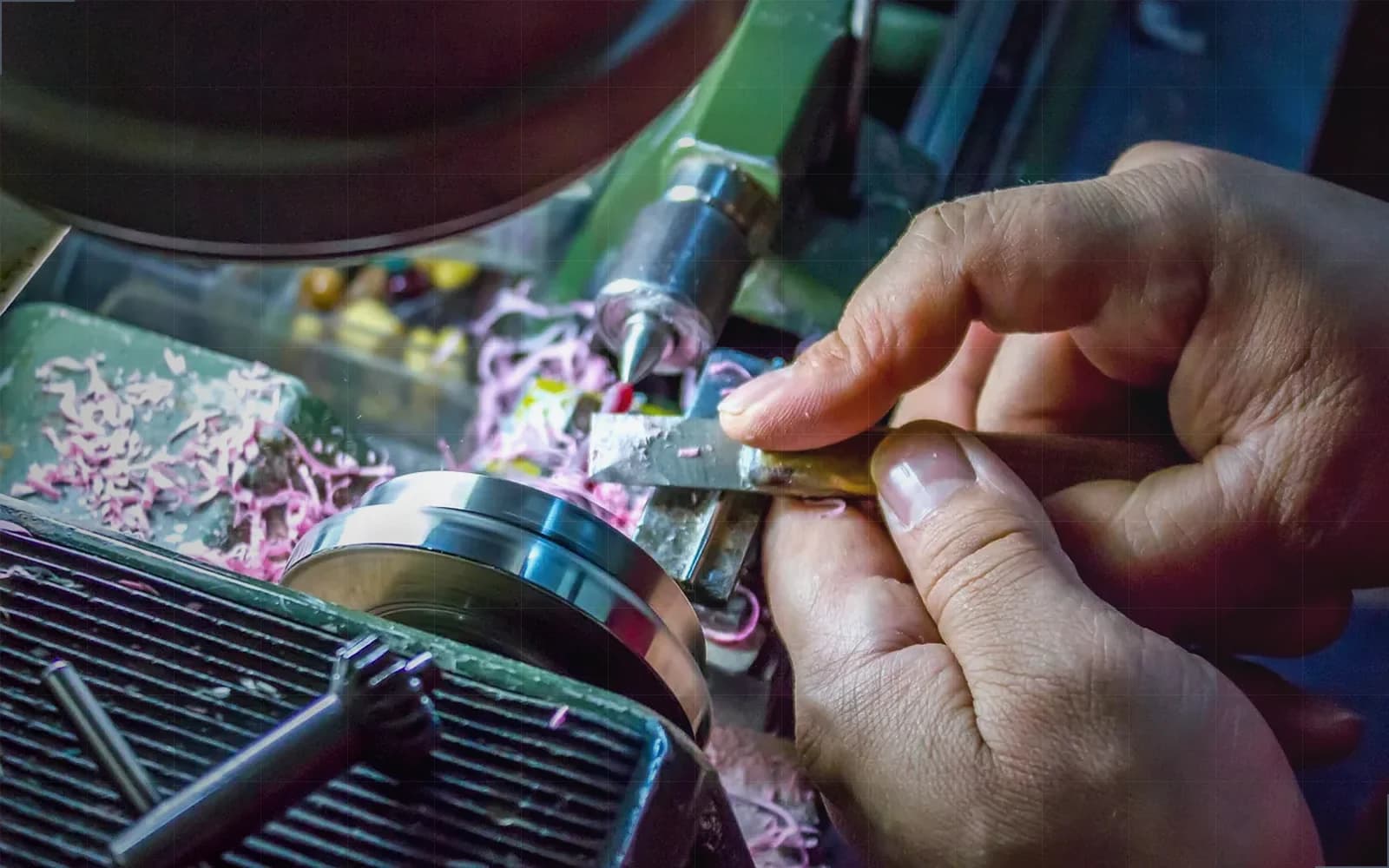
Carbon Steel 1045
$$The shaft steel: strong, cheap, induction-hardenable exactly where it counts.
625 MPa (cold drawn) · 179–229 HB
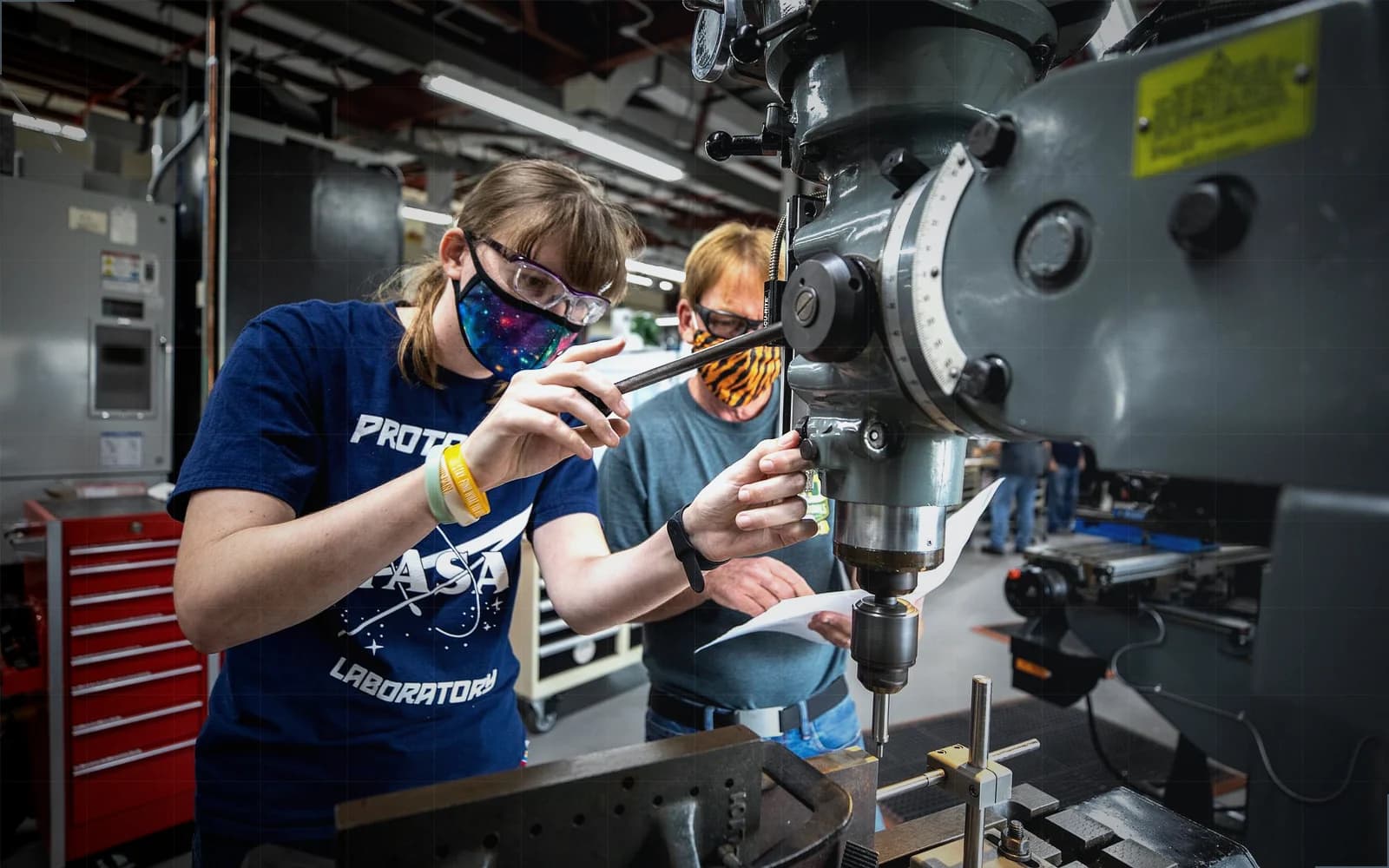
Structural Steel A36
$The structural workhorse: cheapest path to welded frames, bases and brackets.
400–550 MPa · ~120 HB
Alloy Steel
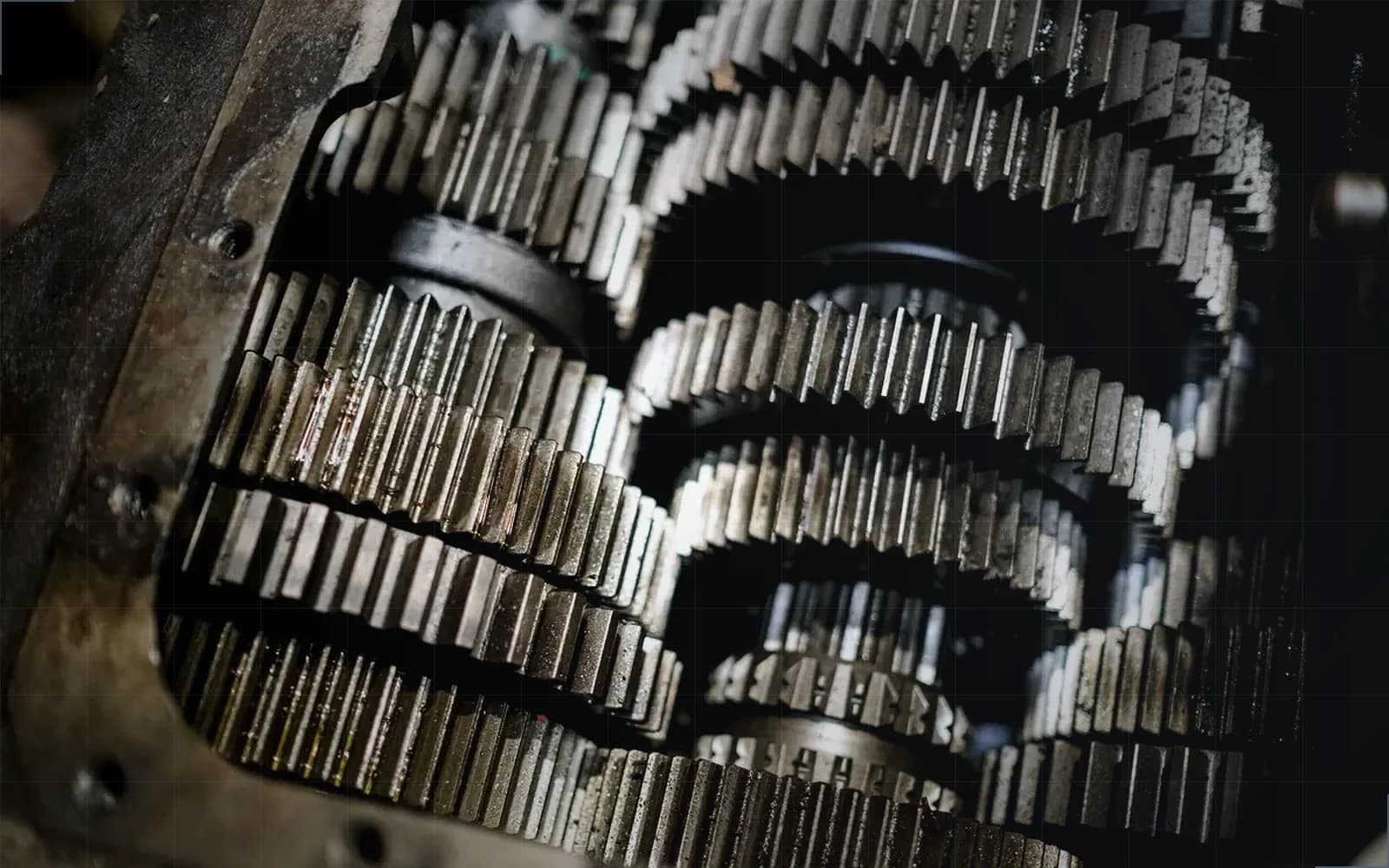
Alloy Steel 4140
$$Chromoly muscle: deep-hardening alloy steel for heavily loaded shafts, tooling and gears.
~1000 MPa (Q&T) · 28–32 HRC (pre-hard)
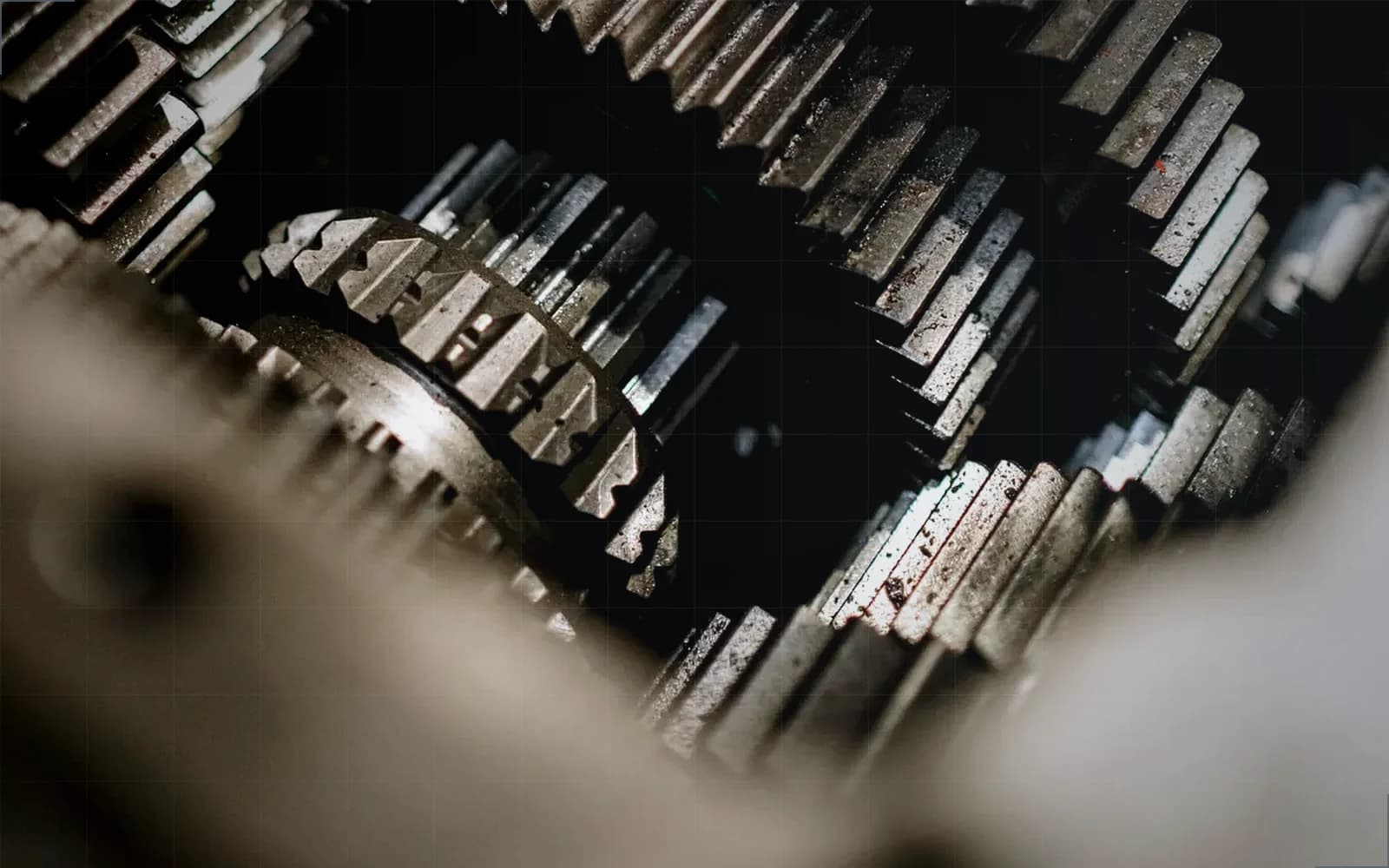
Alloy Steel 4340
$$$The landing-gear steel: maximum strength with toughness for safety-critical rotating parts.
~1280 MPa (Q&T) · ~40 HRC (Q&T typical)
Tool Steel
Tool Steel D2
$$$The cold-work die standard: 60 HRC, extreme abrasion resistance, semi-stainless chemistry.
— (specified by hardness) · 58–62 HRC (hardened)
Tool Steel A2
$$$The balanced tool steel: between O1 toughness and D2 wear, with air-quench stability.
— (specified by hardness) · 57–62 HRC (hardened)
Tool Steel O1
$$$The gauge-maker steel: predictable oil quench, fine edges, the easiest tool steel to work with.
— (specified by hardness) · 57–62 HRC (hardened)
Have a part in mind?
Upload your CAD file and get a price range in about 60 seconds. NDA-protected from the first byte.
Get instant estimate