Surface Finish
Surface Finishes
Anodizing, plating, blasting, polishing, passivation, coatings and marking — what each finish does, what it costs in tolerance, and when to specify it.
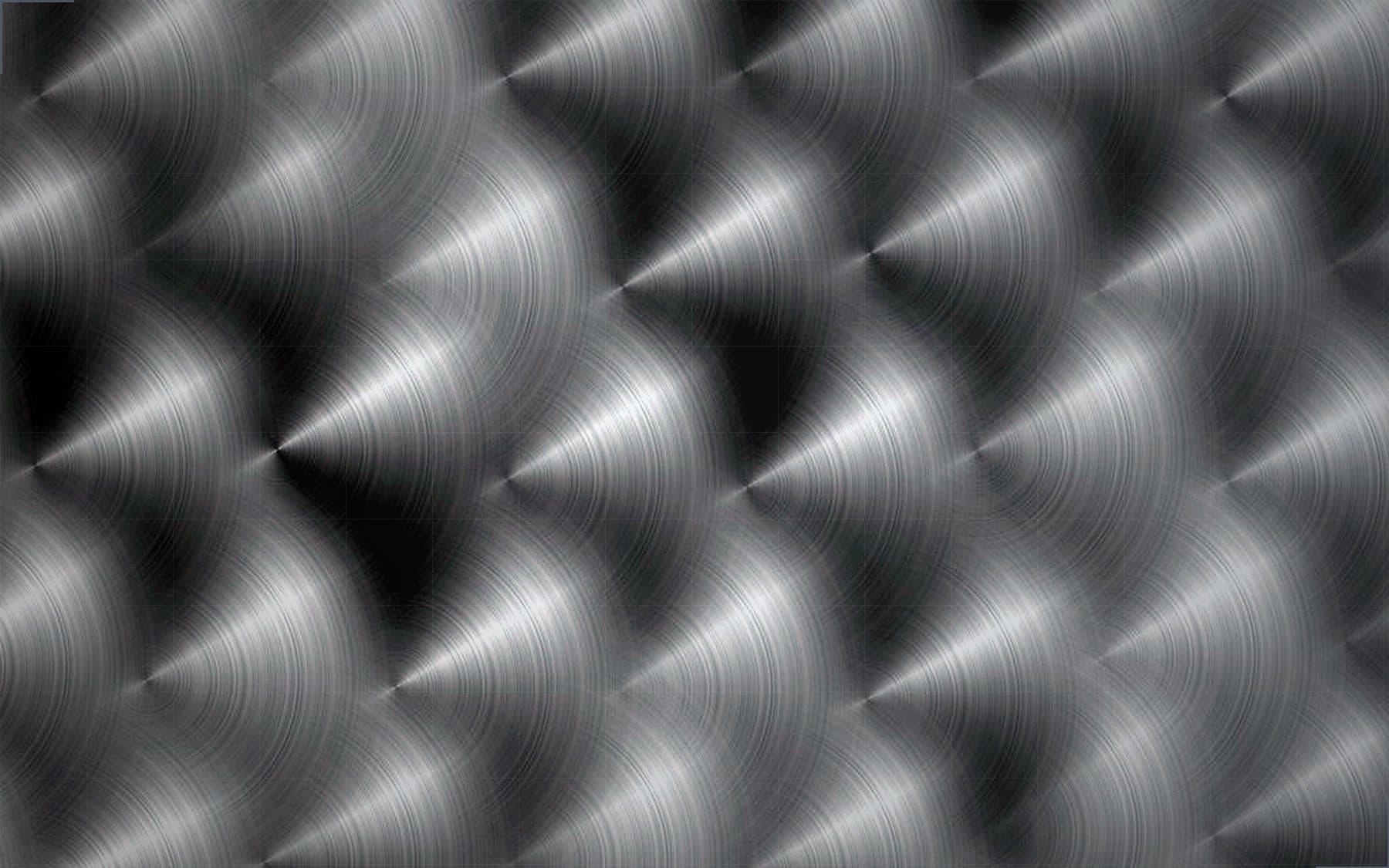
As-Machined
The baseline: parts ship exactly as they leave the machine, with visible tool marks and the fastest lead time. Choose it for internal components, mating surfaces and cost-sensitive prototypes where appearance is irrelevant. Every other finish in this catalog starts from this state.
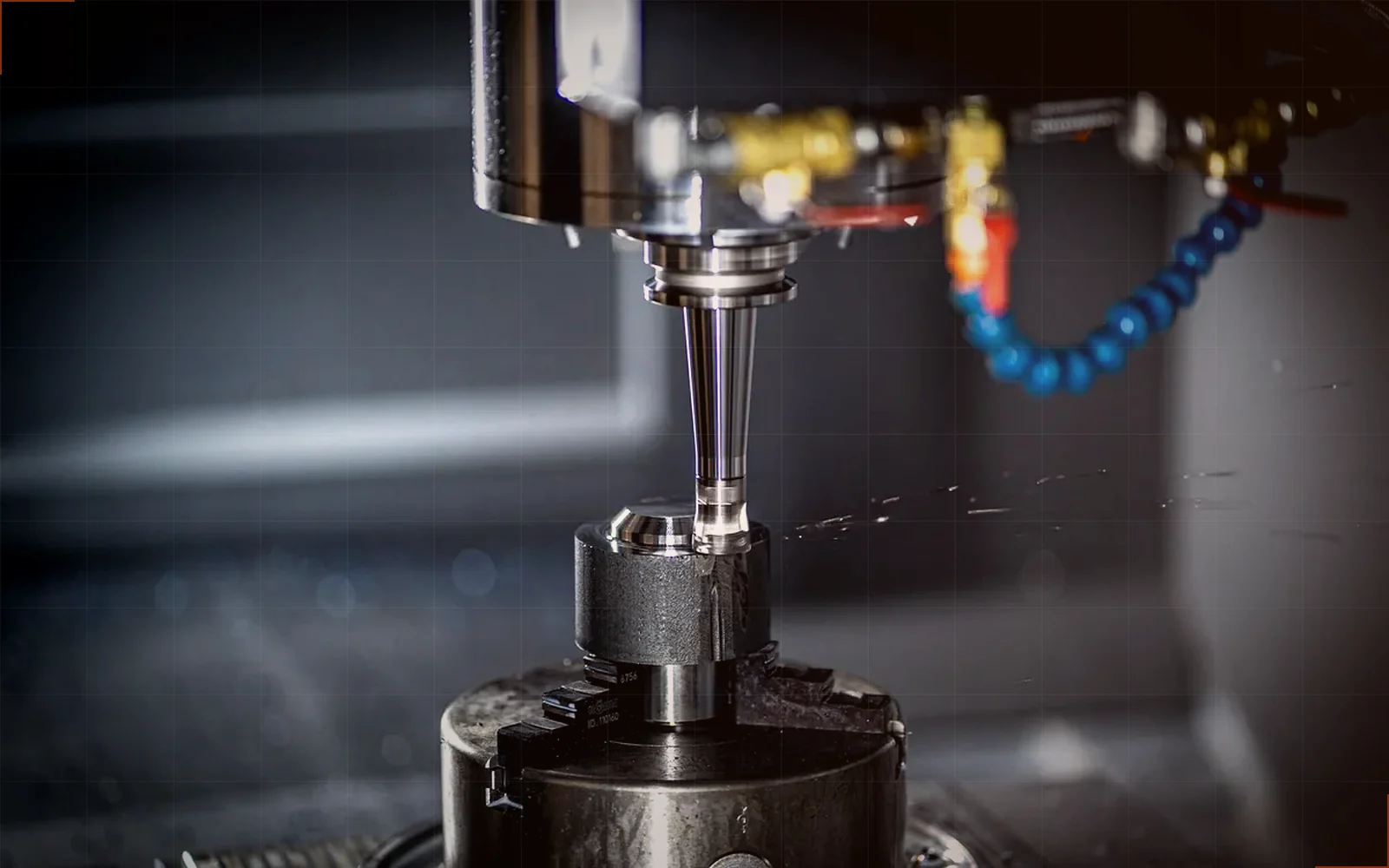
Anodizing
Electrochemical conversion exclusive to aluminum: the surface itself becomes a hard oxide layer that cannot peel or flake. Choose Type II clear for corrosion protection with a metallic look, Type II dyed for color, and Type III hardcoat when the part must survive sliding wear. All three grow the part dimensionally, so specify them at quote time.
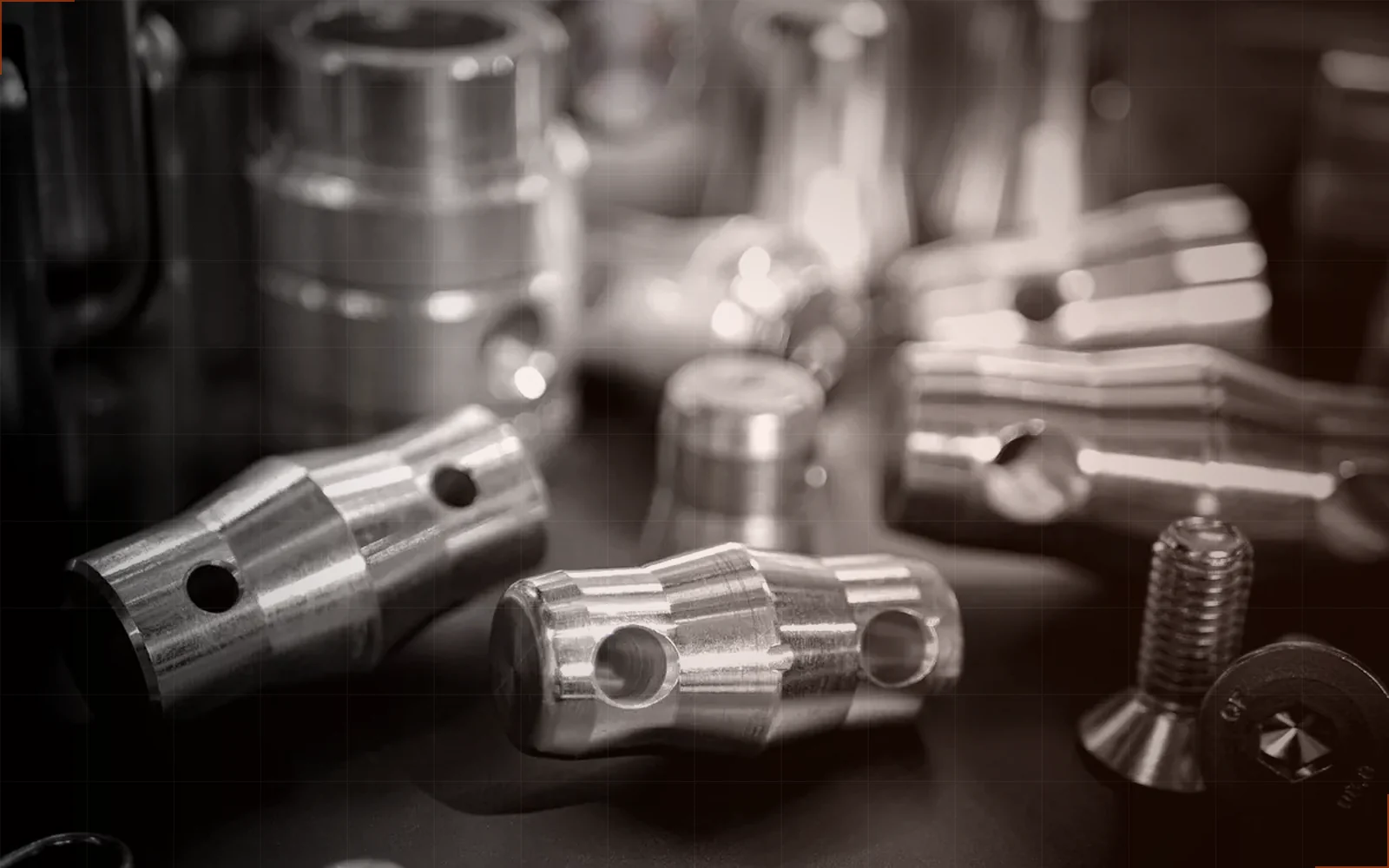
Anodizing Type II (Clear)
The standard aluminum finish: hard, clear oxide that keeps the metallic look.
Coating thickness 8–25 µm
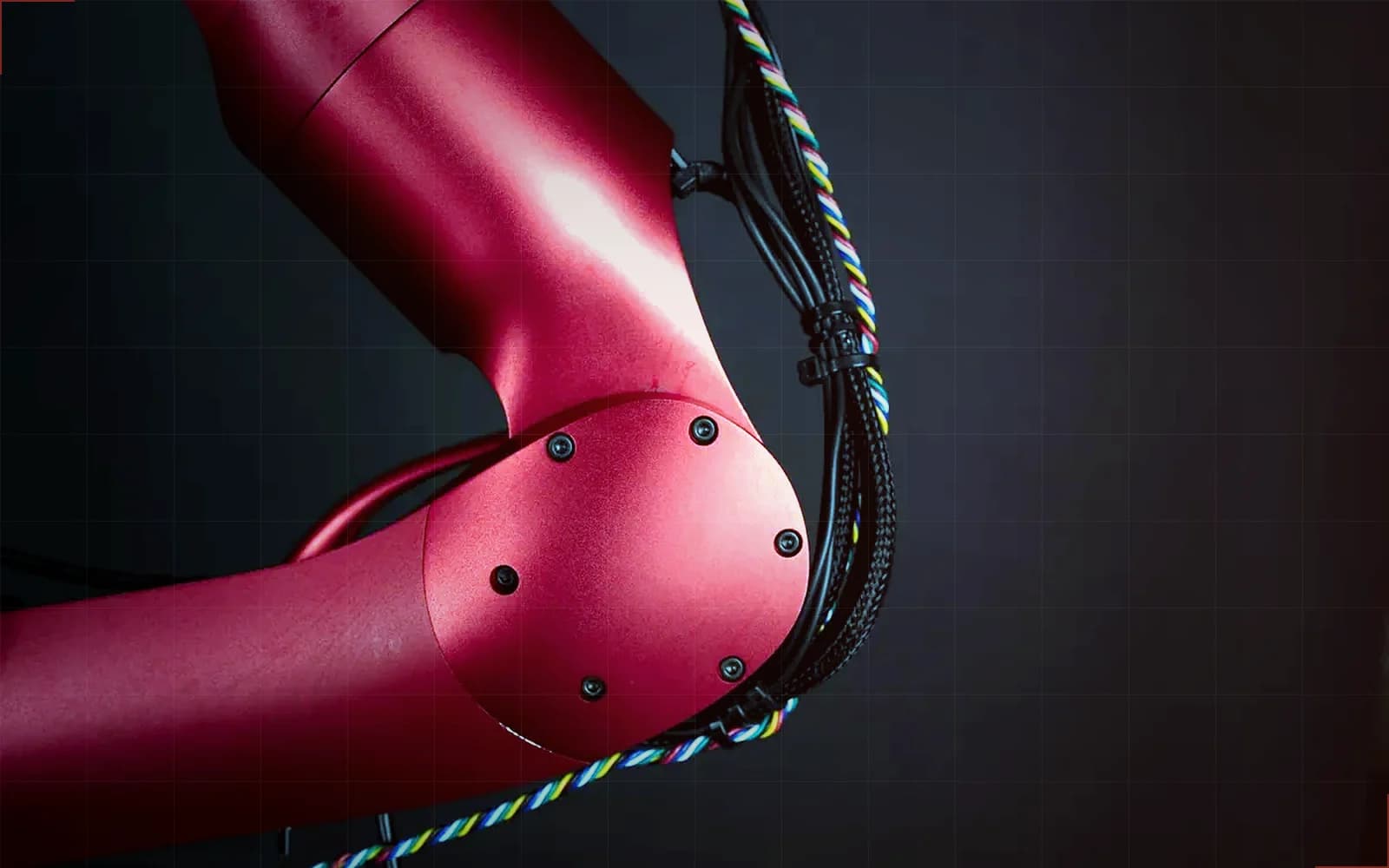
Anodizing Type II (Dyed)
Color that cannot peel: dye locked inside the part’s own oxide layer.
Coating thickness 8–25 µm
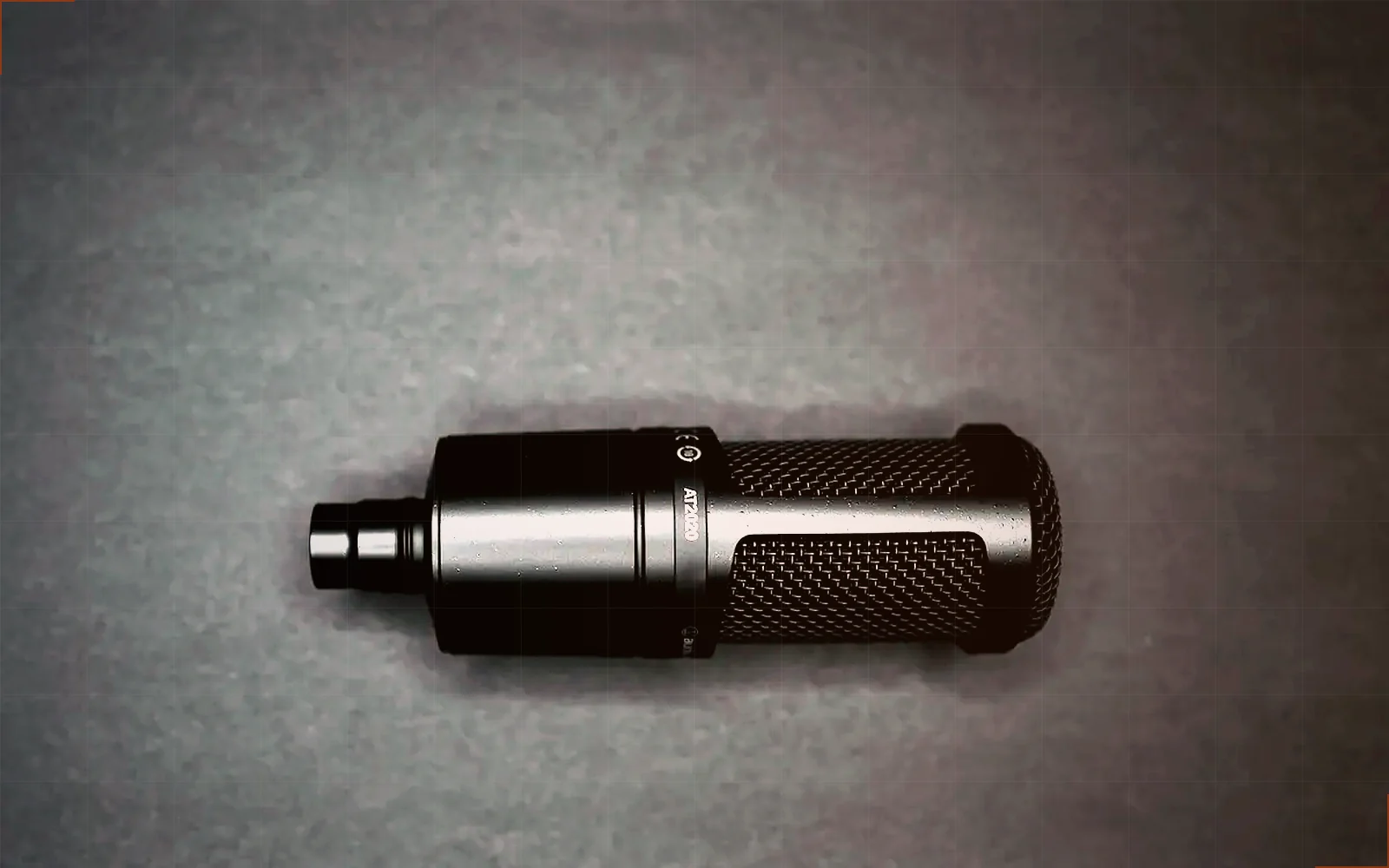
Hardcoat Anodizing Type III
Wear armor for aluminum: an oxide layer as hard as tool steel.
Coating thickness 25–75 µm
Plating
Metal deposited onto the part for corrosion protection, wear resistance, solderability or conductivity. Electrolytic processes (zinc, nickel, chrome, tin) build thickness unevenly at edges; electroless nickel deposits uniformly everywhere — the choice for toleranced features and internal bores. Hardened steels above ~32 HRC require a post-plate hydrogen-embrittlement bake.
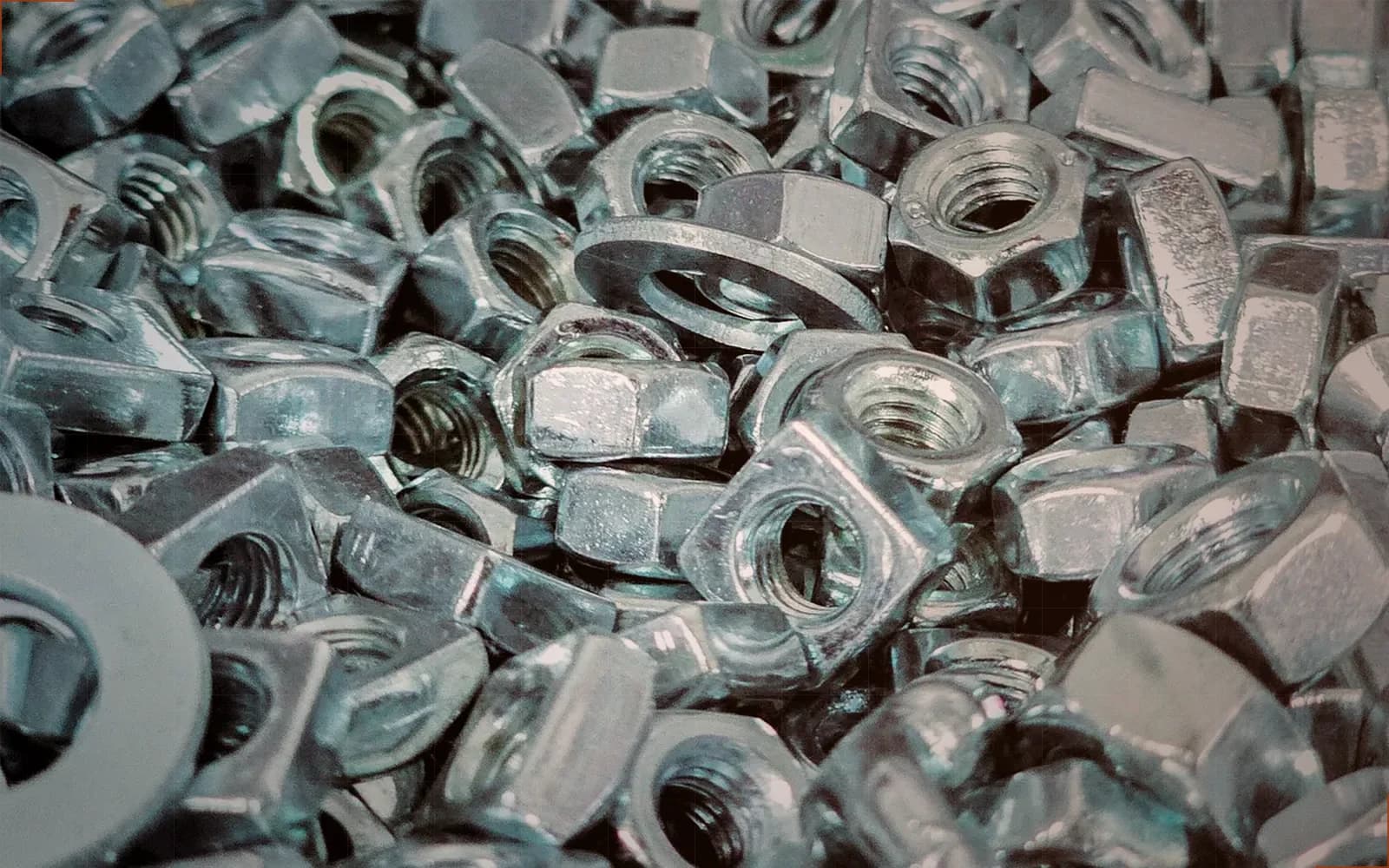
Zinc Plating
The economy rust-stopper: sacrificial zinc keeps protecting even when scratched.
Coating thickness 5–25 µm
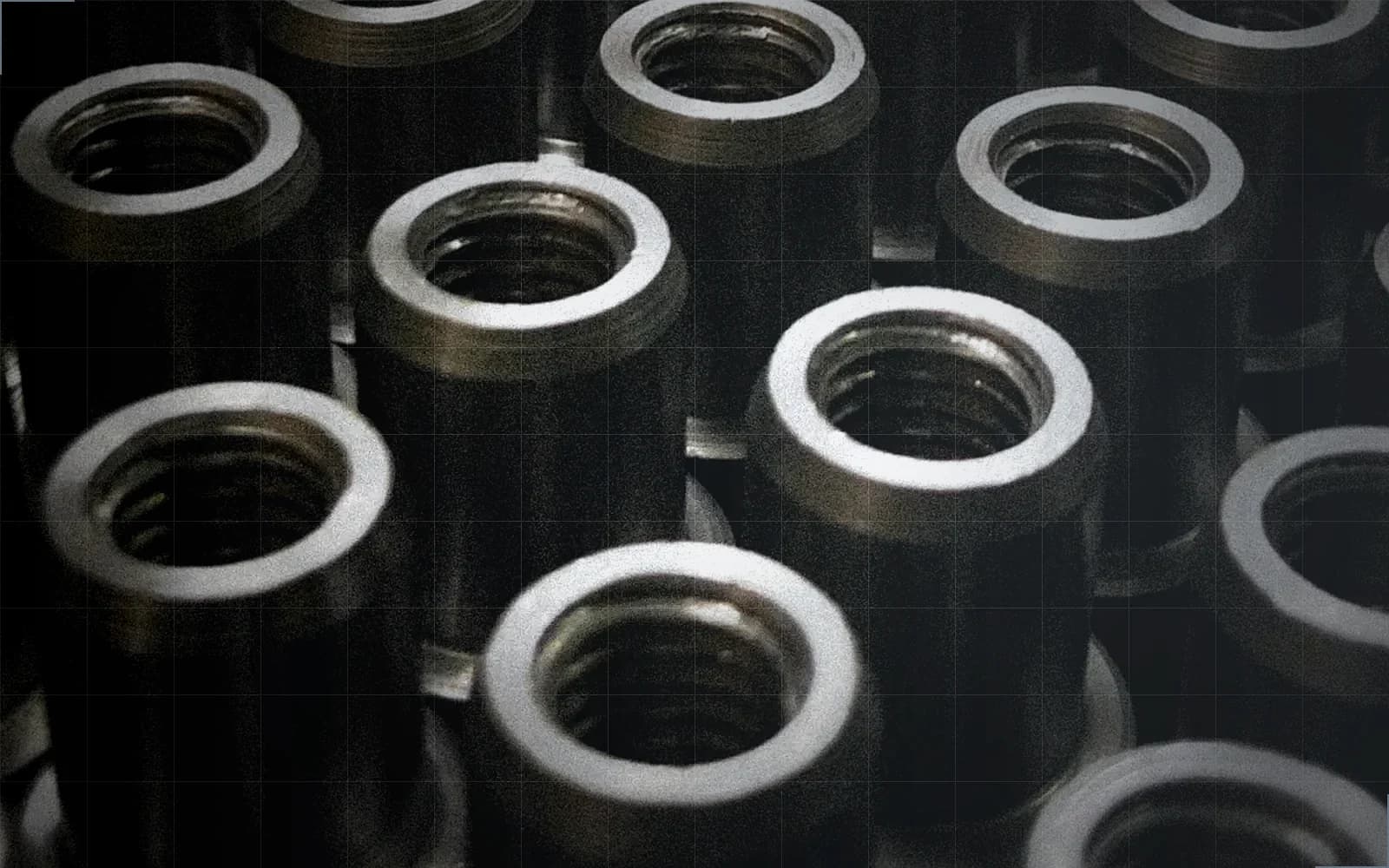
Nickel Plating (Electrolytic)
Bright, polishable nickel for decorative protection and contact underlayers.
Coating thickness 5–50 µm
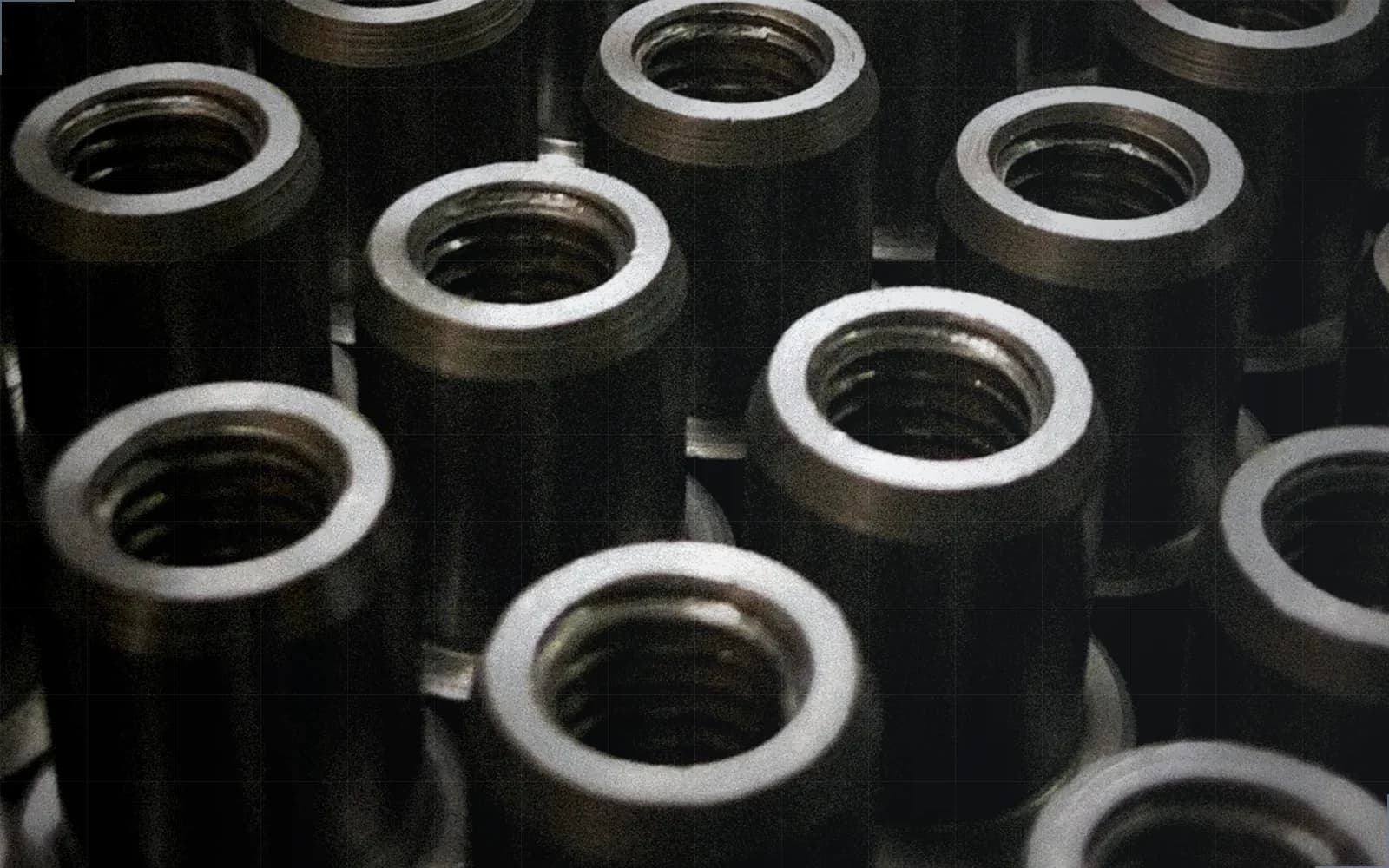
Electroless Nickel Plating (ENP)
Plating without electricity: dead-uniform thickness everywhere, bores and threads included.
Coating thickness 8–50 µm
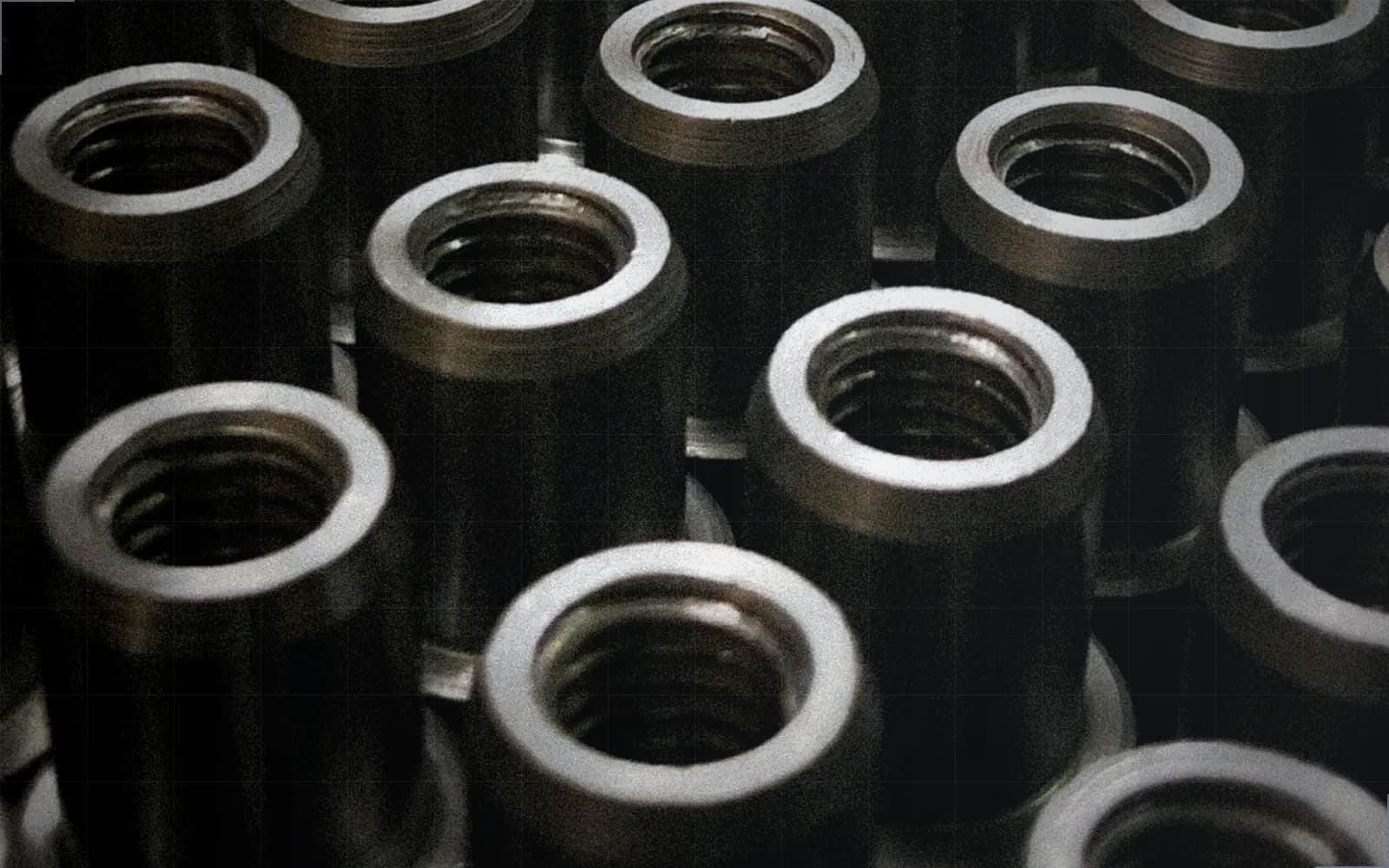
Hard Chrome Plating
The hardest plated surface in the shop: ~65 HRC chrome for sliding and abrasive service.
Coating thickness 20–250 µm
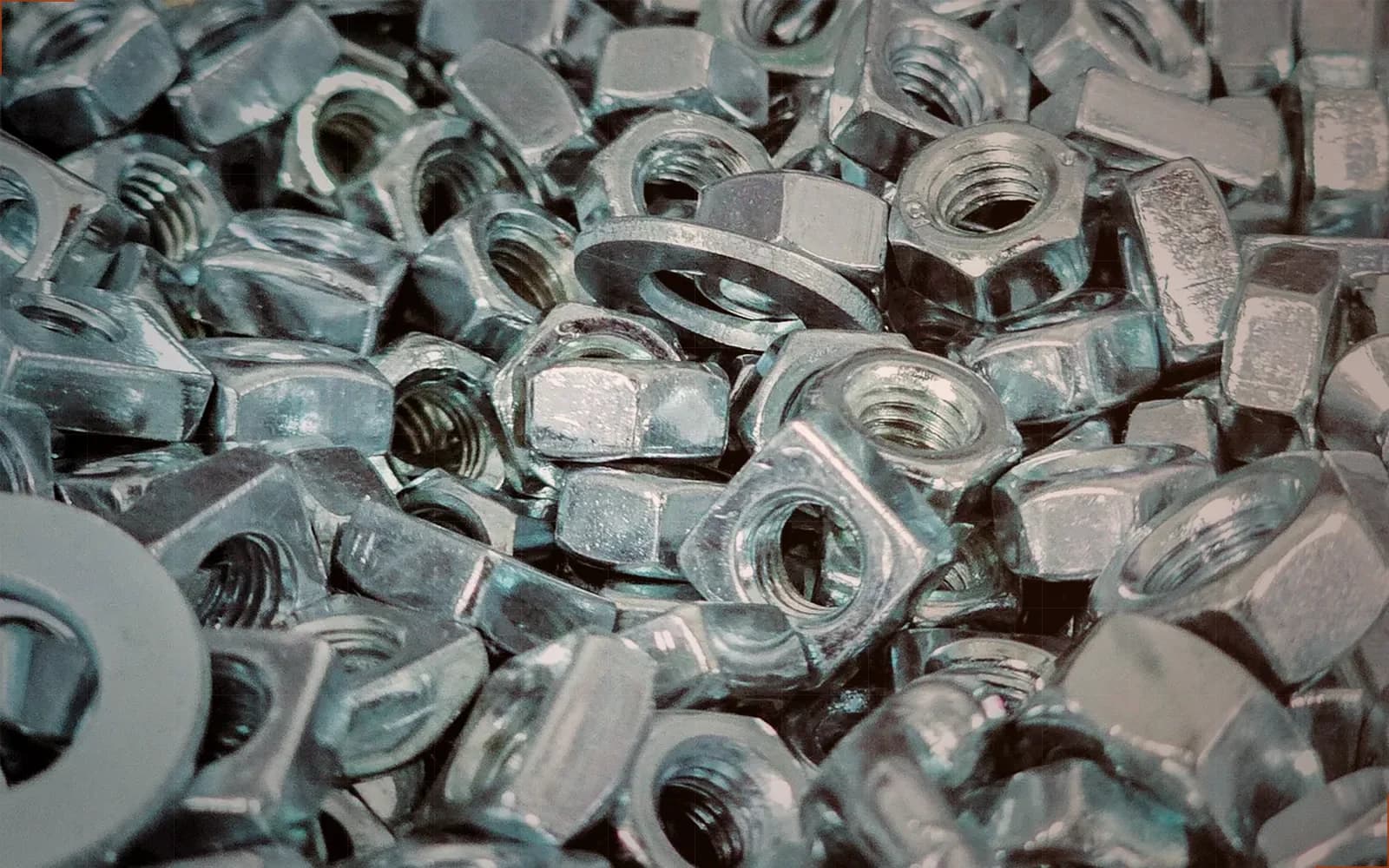
Tin Plating
The solder-friendly finish: tin for bus bars, terminals and food-contact hardware.
Coating thickness 5–20 µm
Chemical Treatments
Thin conversion or dissolution processes that change surface chemistry with little or no dimensional effect: passivation and electropolishing for stainless and titanium, black oxide for steel, chromate conversion for conductive corrosion protection on aluminum. Choose this group when tolerances are sacred and the goal is corrosion behavior, cleanliness or mild cosmetics rather than a thick protective skin.
Passivation
Chemical hygiene for stainless: strips embedded iron so the steel can be as stainless as advertised.
Coating thickness —
Black Oxide
Black with zero dimensional change: the gauge-and-tool finish for precision steel.
Coating thickness 1–2 µm
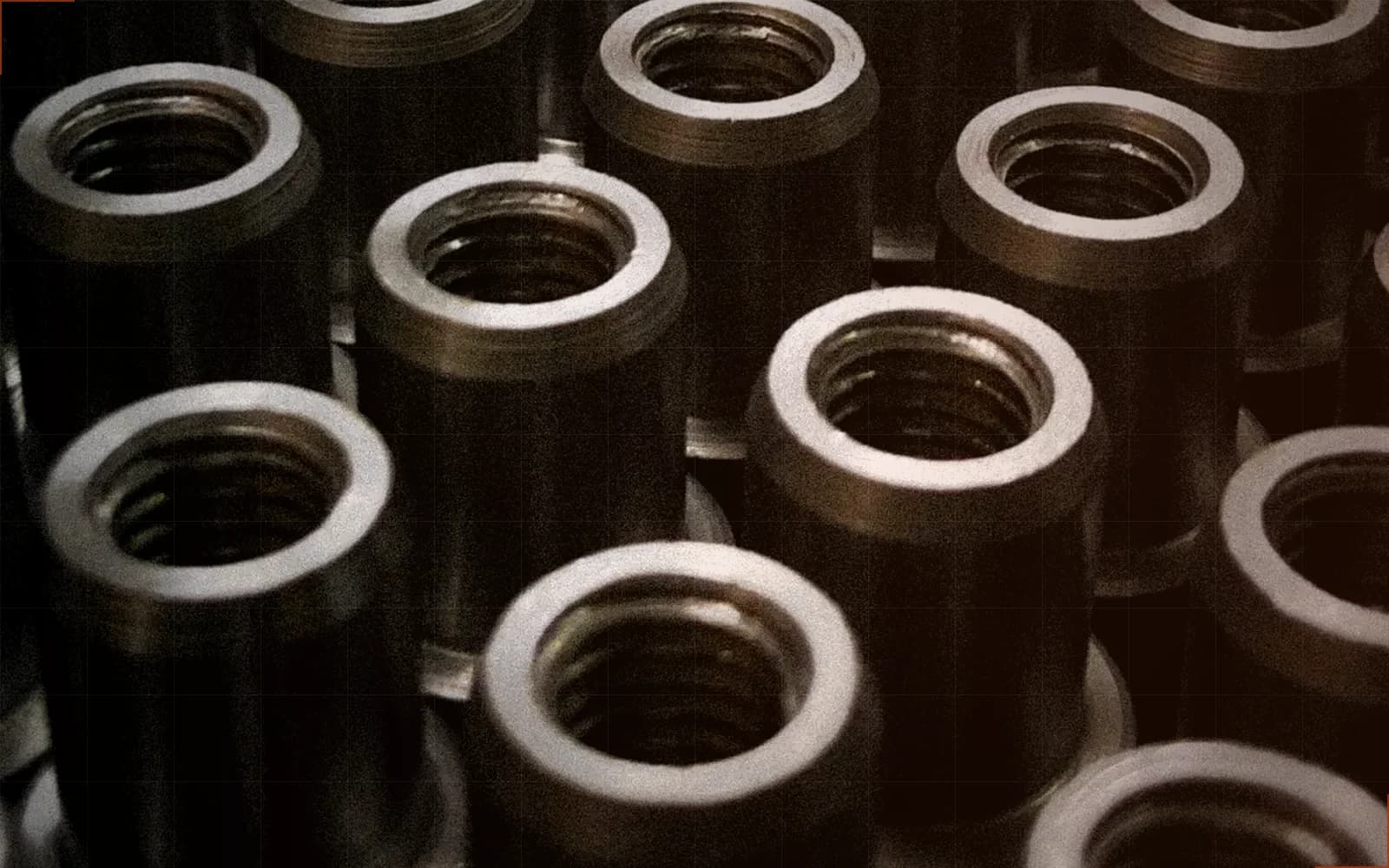
Chromate Conversion (Alodine / Chem Film)
Corrosion protection that stays conductive — the EMI-grounding finish for aluminum.
Coating thickness 0.5–4 µm
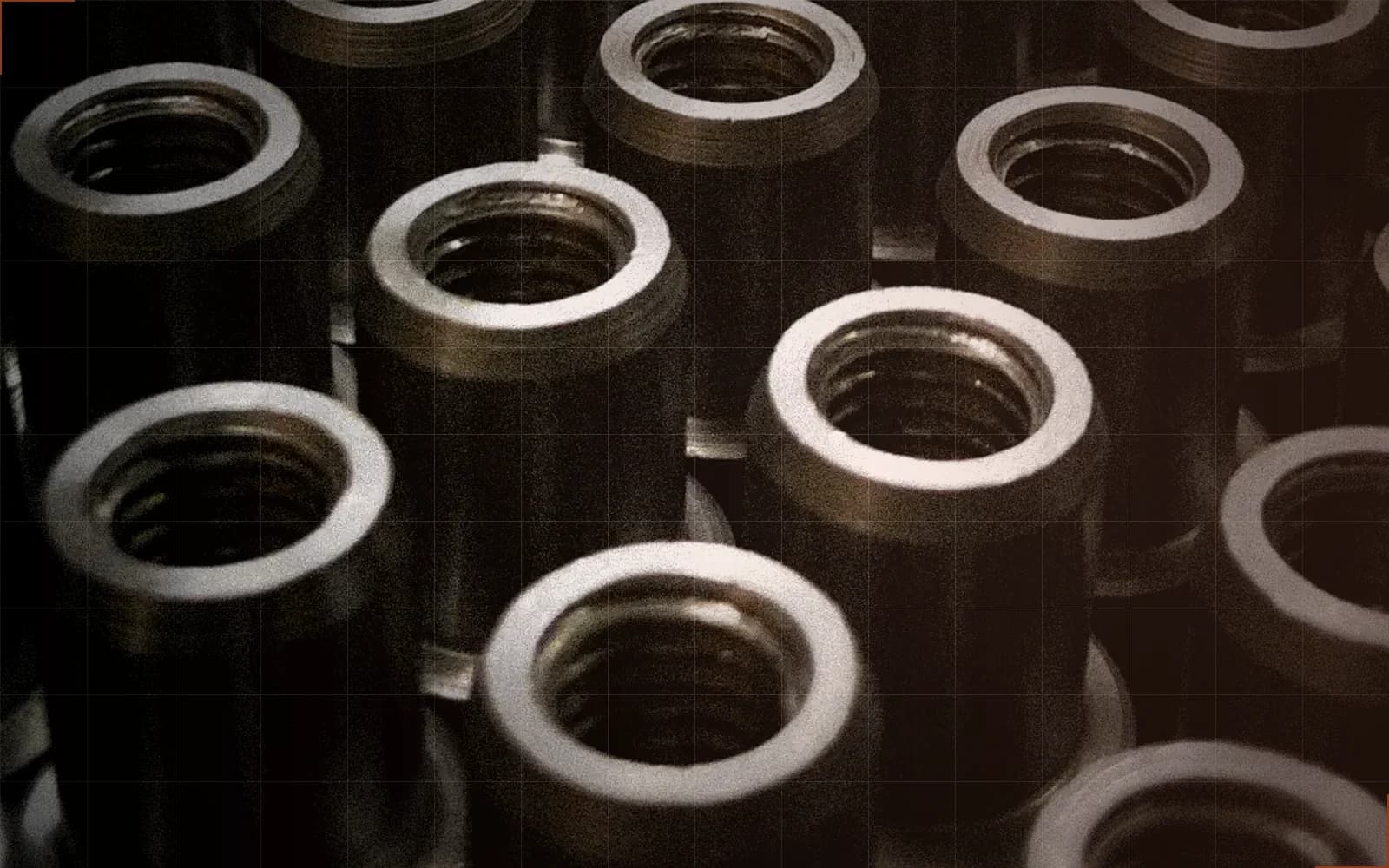
Electropolishing
Reverse plating that brightens, deburrs and passivates stainless in one step.
Coating thickness —
Mechanical Finishes
Abrasive and media-based processes that reshape surface texture: bead blasting for uniform matte, brushing for directional satin grain, polishing for mirror brightness, vibratory tumbling for batch deburring. They add no coating — corrosion behavior stays that of the base metal — and they are the standard preparation step before anodizing or plating on cosmetic parts.
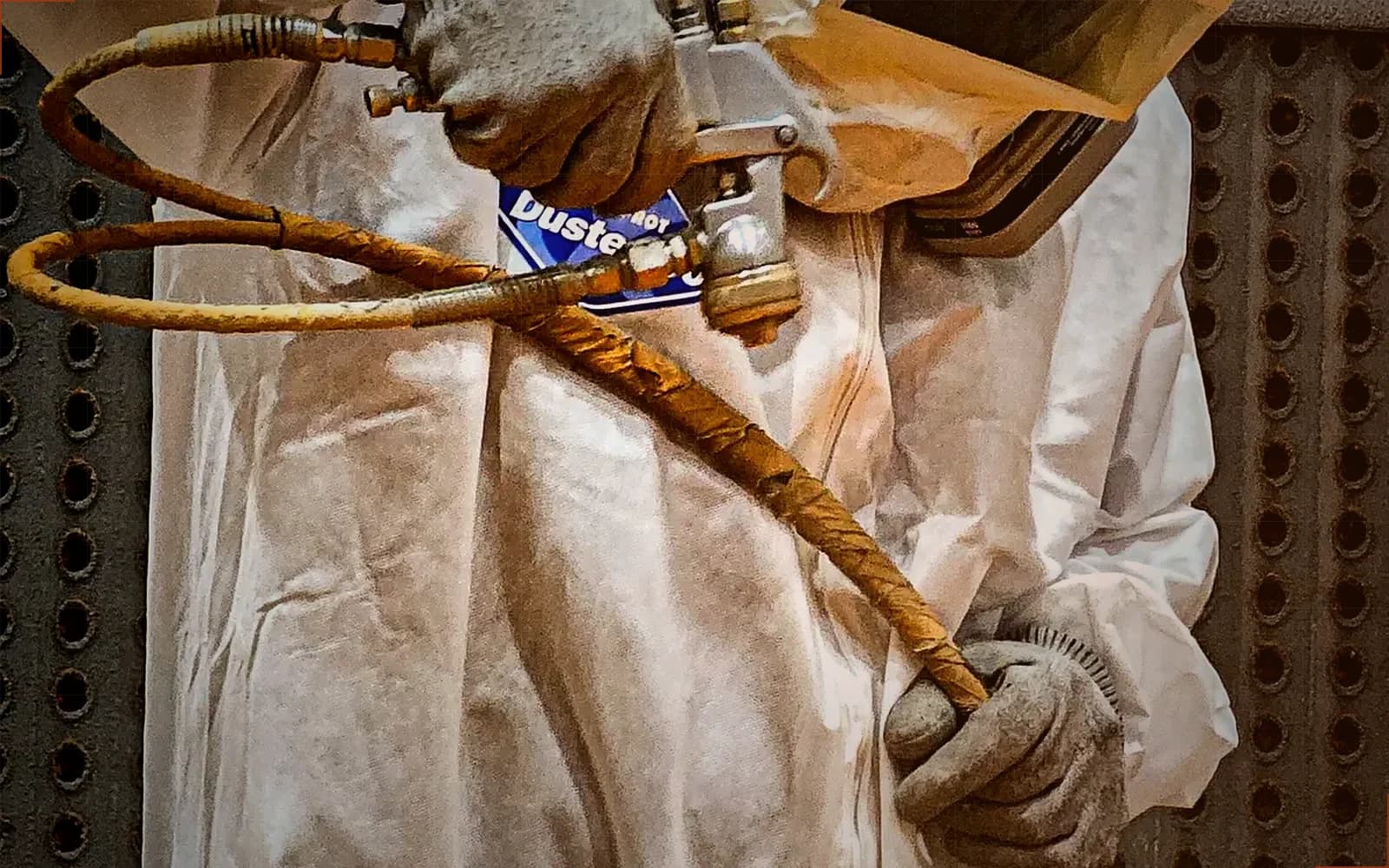
Bead Blasting
The uniform matte look: erases tool marks, hides fingerprints, preps perfect anodizing.
Coating thickness —
Brushed Finish
The appliance-grade look: directional satin grain on panels, bezels and show faces.
Coating thickness —
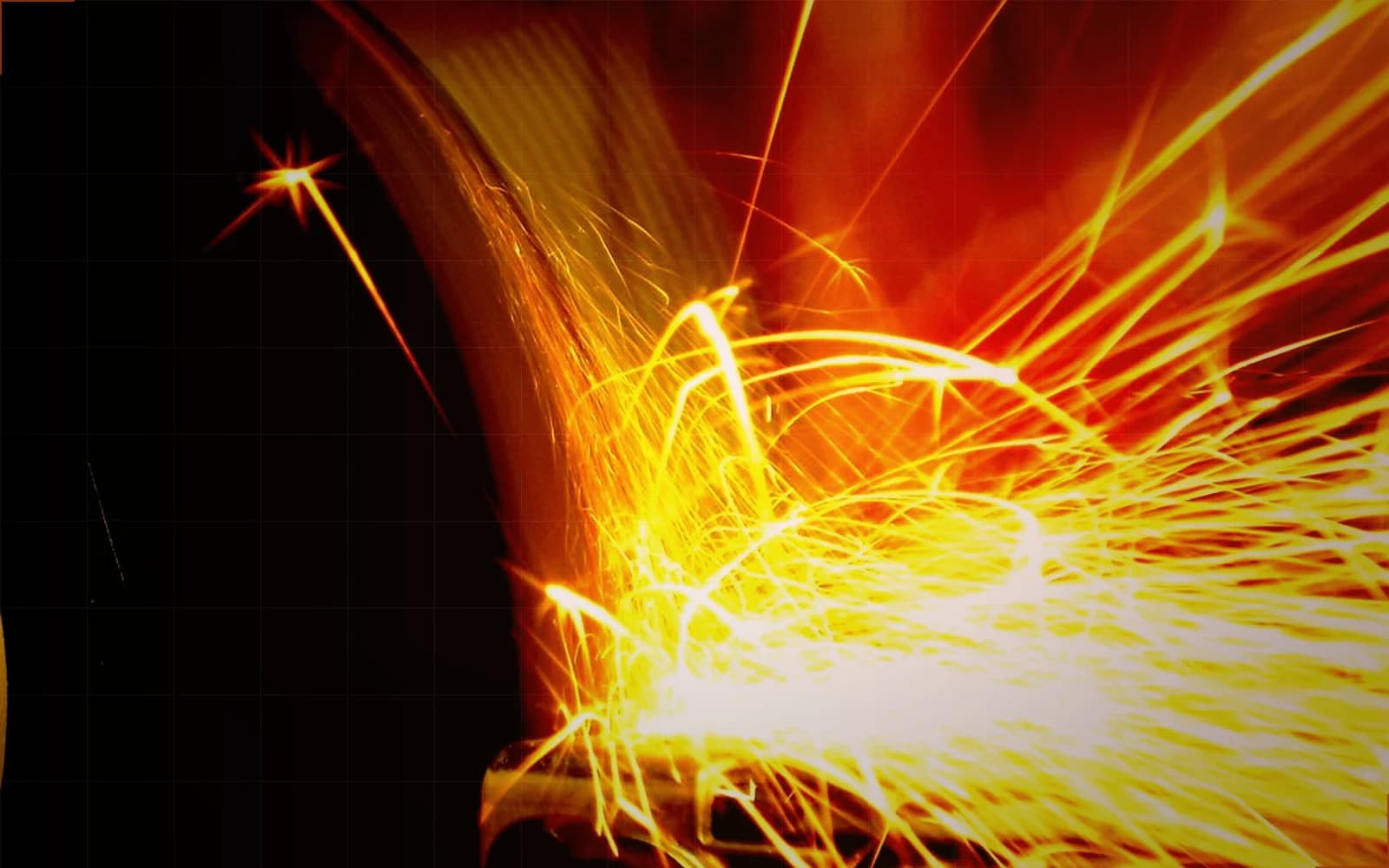
Polishing
Progressive abrasives down to mirror: the finish for optics, molds and show surfaces.
Coating thickness —
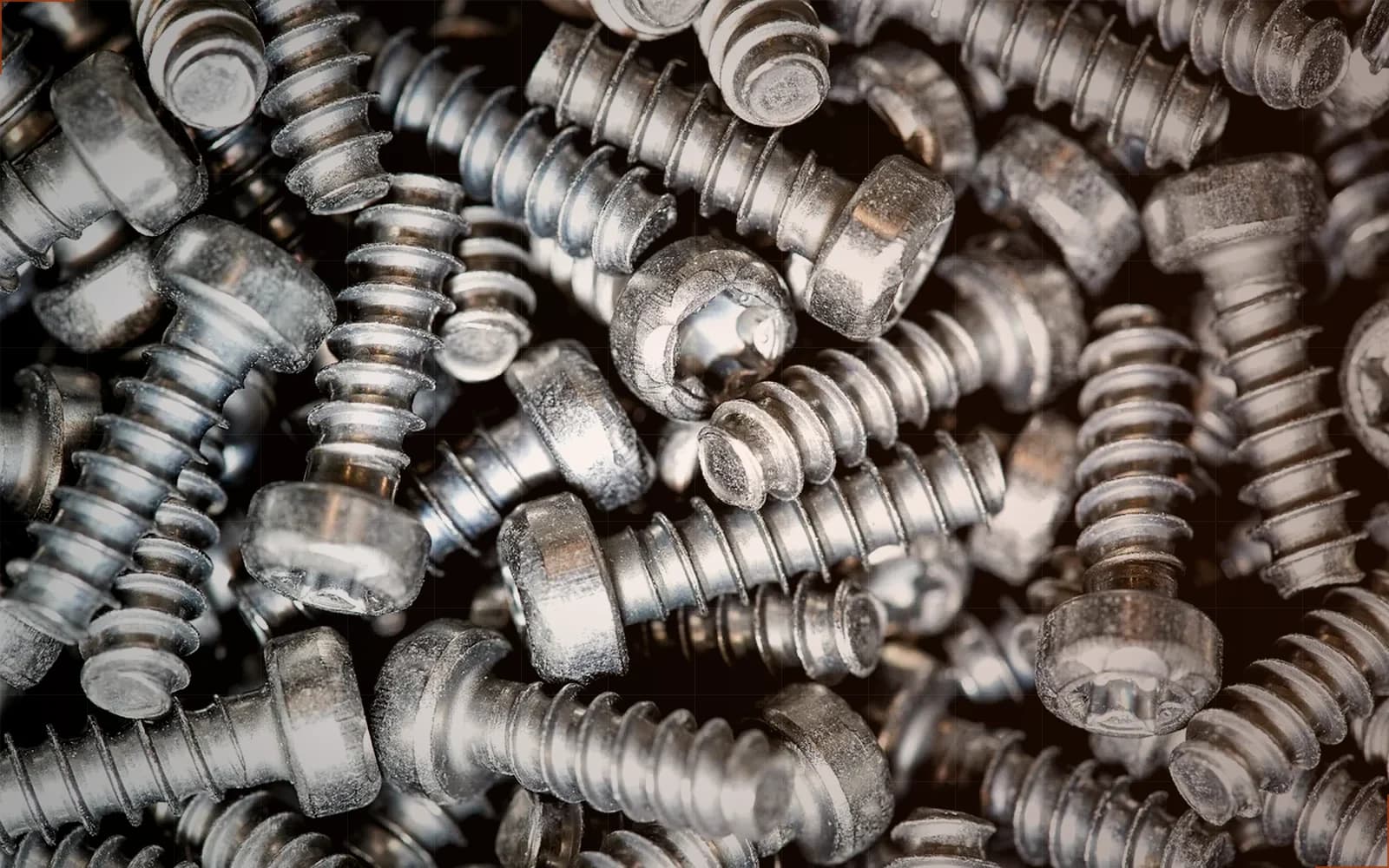
Vibratory Tumbling
Batch deburring by the bowl-full: every edge broken, every burr gone, at volume prices.
Coating thickness —
Coatings & Painting
Organic layers applied over the part: powder coating for the toughest outdoor color, wet painting for plastics and color-matched prototypes, PTFE for low friction and chemical inertness. These are the thickest finishes in the catalog (tens to hundreds of microns), so precision fits must be masked or designed with coating allowance.
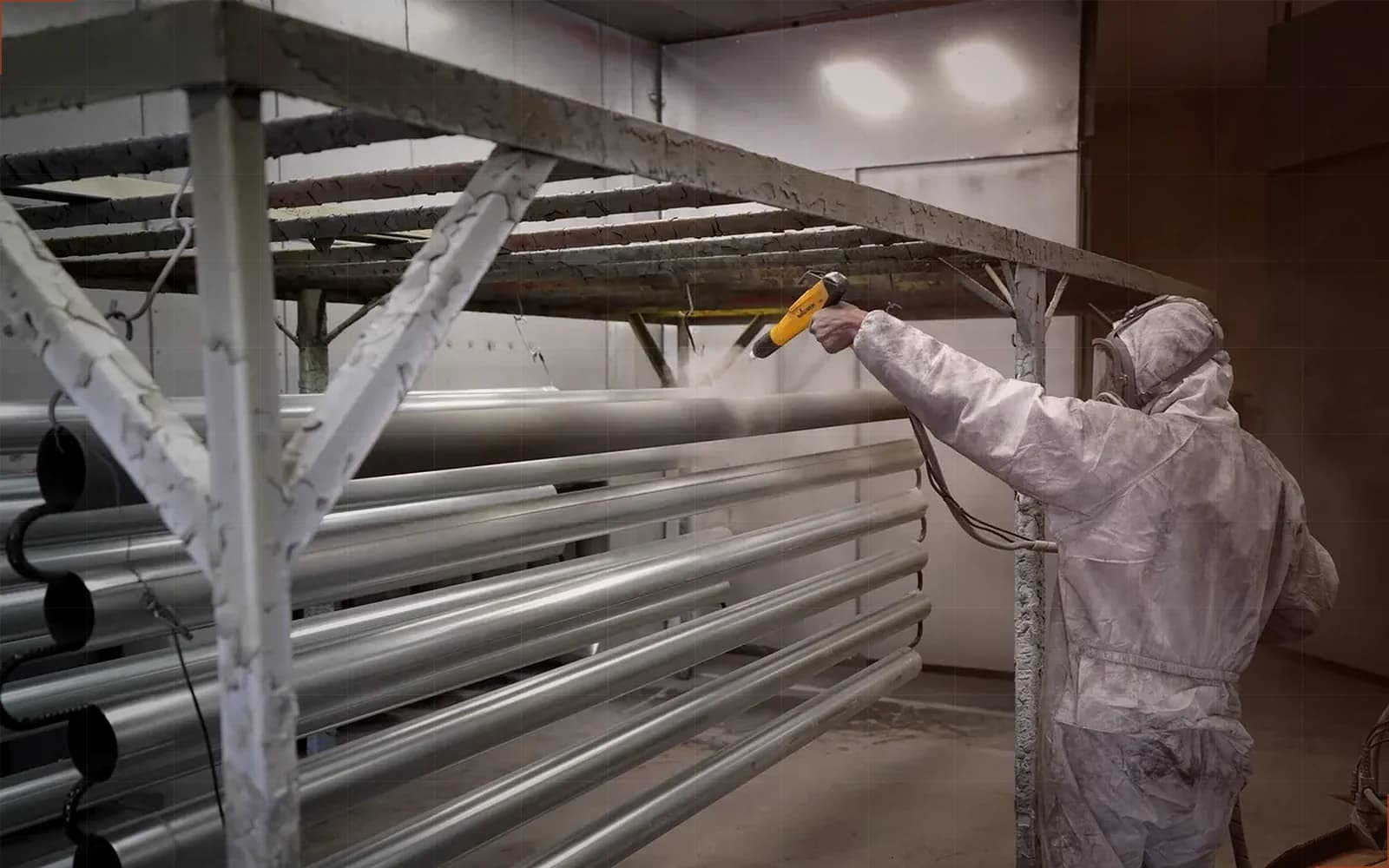
Powder Coating
Baked-on polymer armor: any RAL color, outdoor-proof, the toughest cosmetic coating.
Coating thickness 60–120 µm
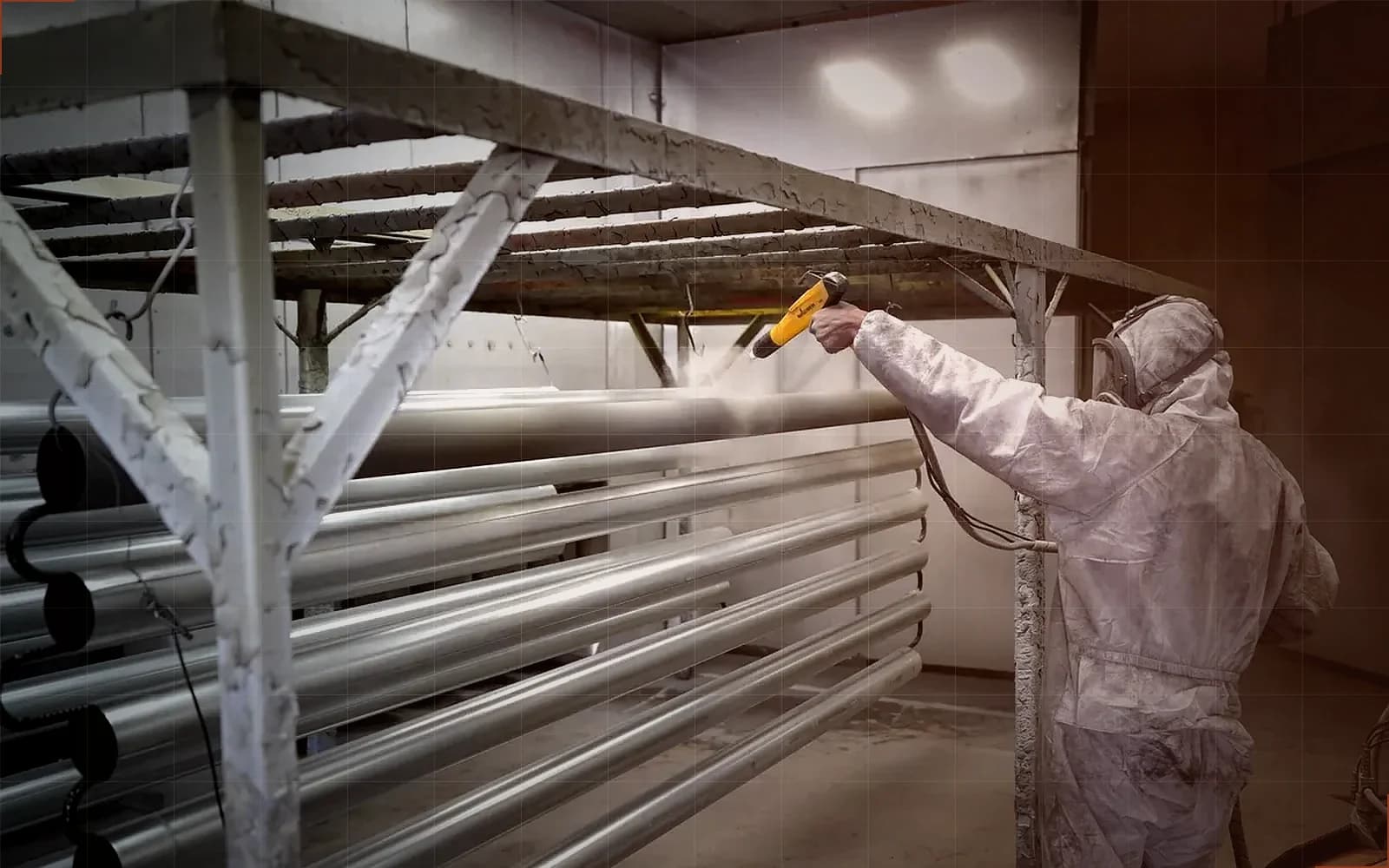
Wet Painting
Any color, any gloss, any substrate: the flexible coat for plastics and appearance prototypes.
Coating thickness 20–60 µm
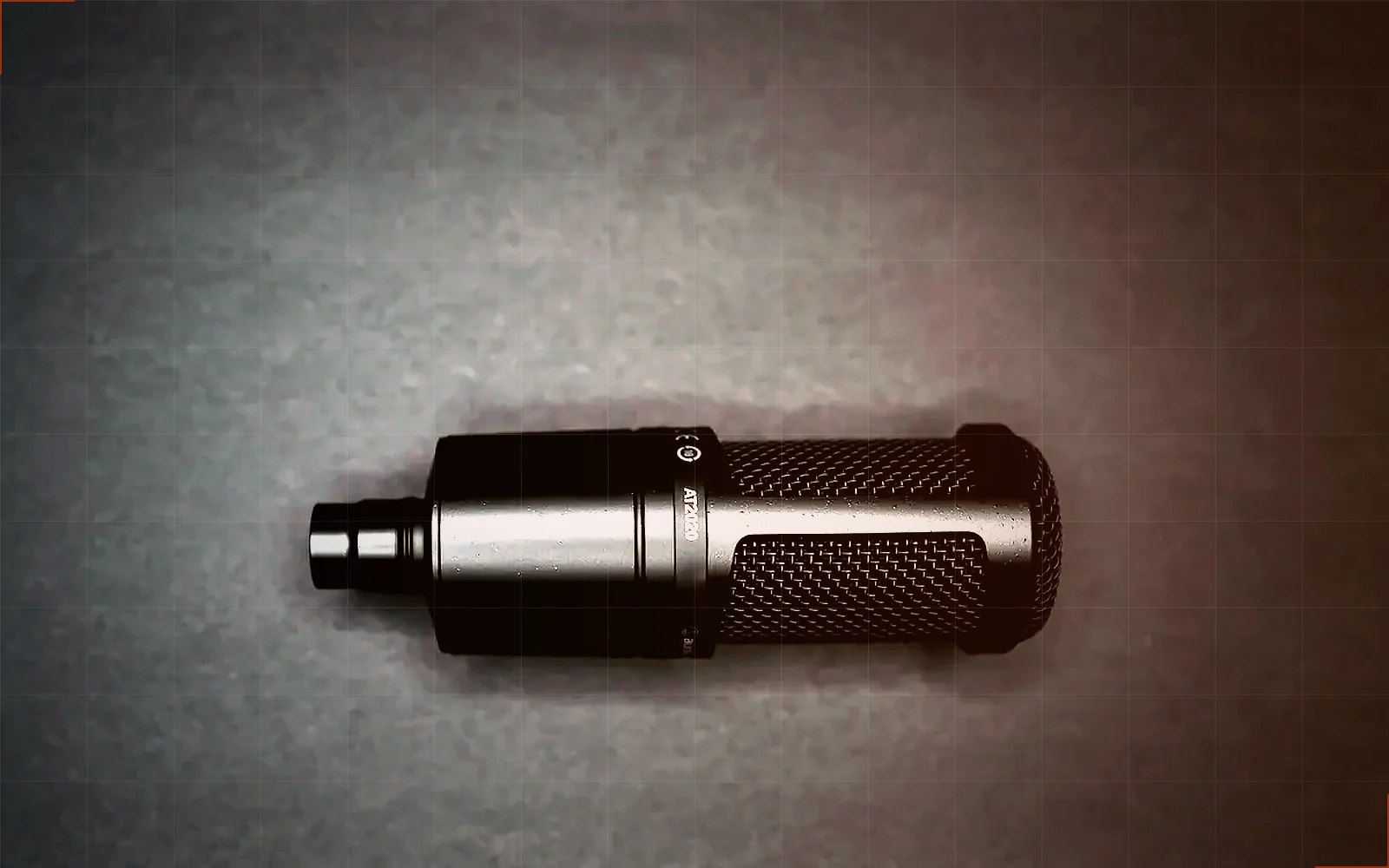
PTFE Coating (Teflon)
The slippery armor: fluoropolymer for low friction, non-stick release and chemical inertness.
Coating thickness 15–35 µm
Marking
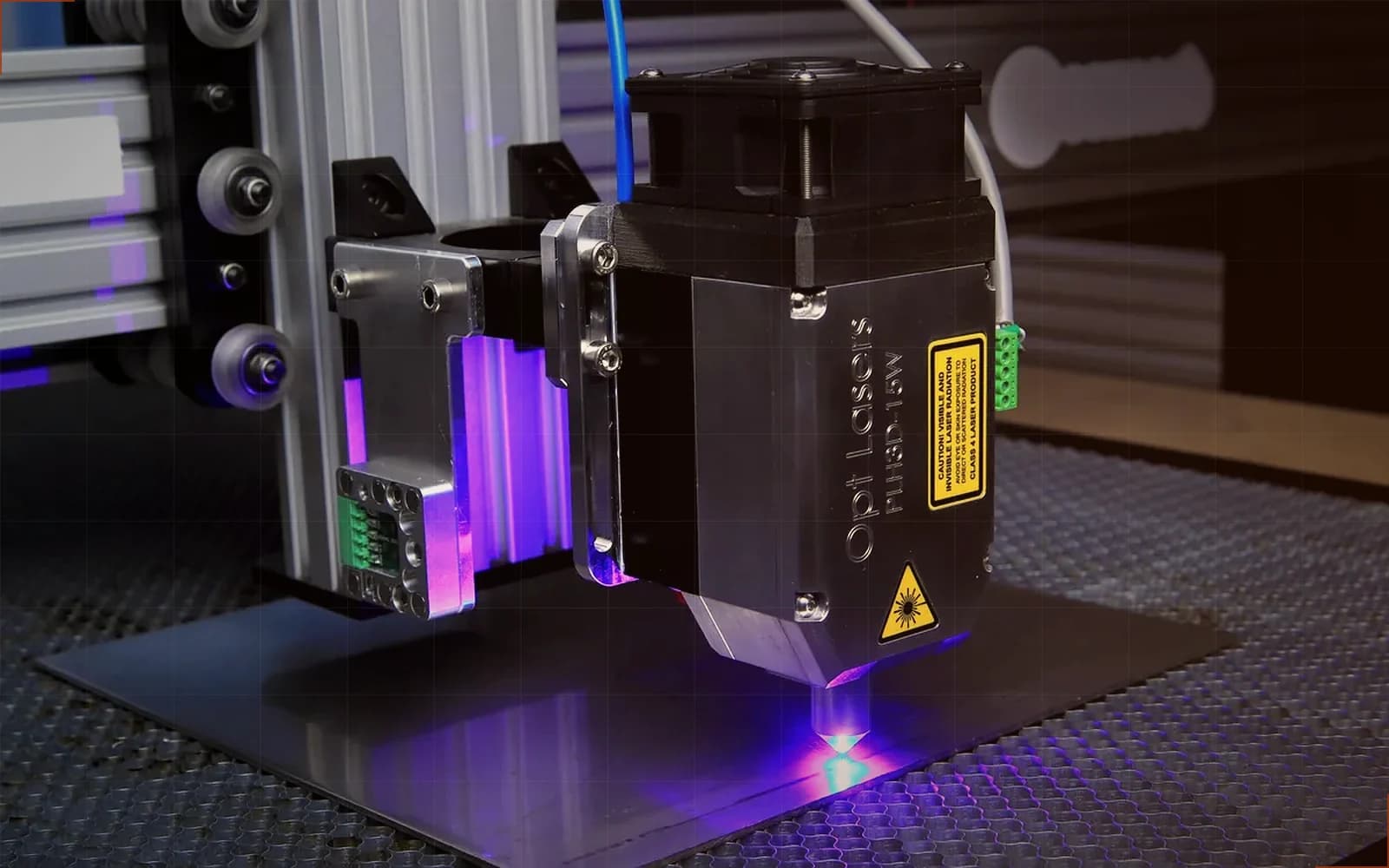
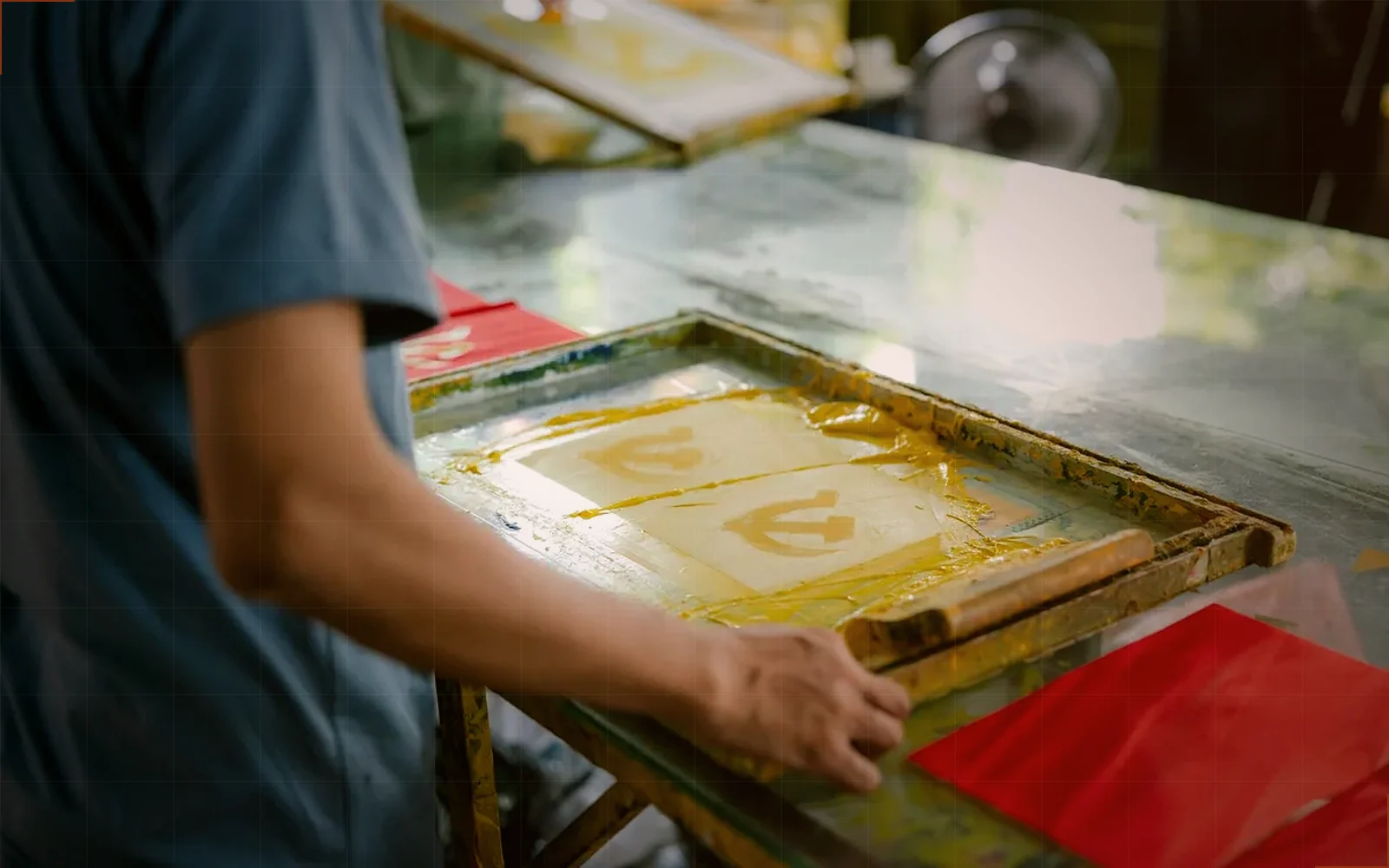
Permanent identification on finished parts: laser marking for serial numbers, UDI codes and logos with zero dimensional change; silk screening for multi-color legends on panels and plastic housings. Marking is applied after all other finishes — on anodized, painted or bare surfaces — and is specified by artwork file plus location on the drawing.
Have a part in mind?
Upload your CAD file and get a price range in about 60 seconds. NDA-protected from the first byte.
Get instant estimate